
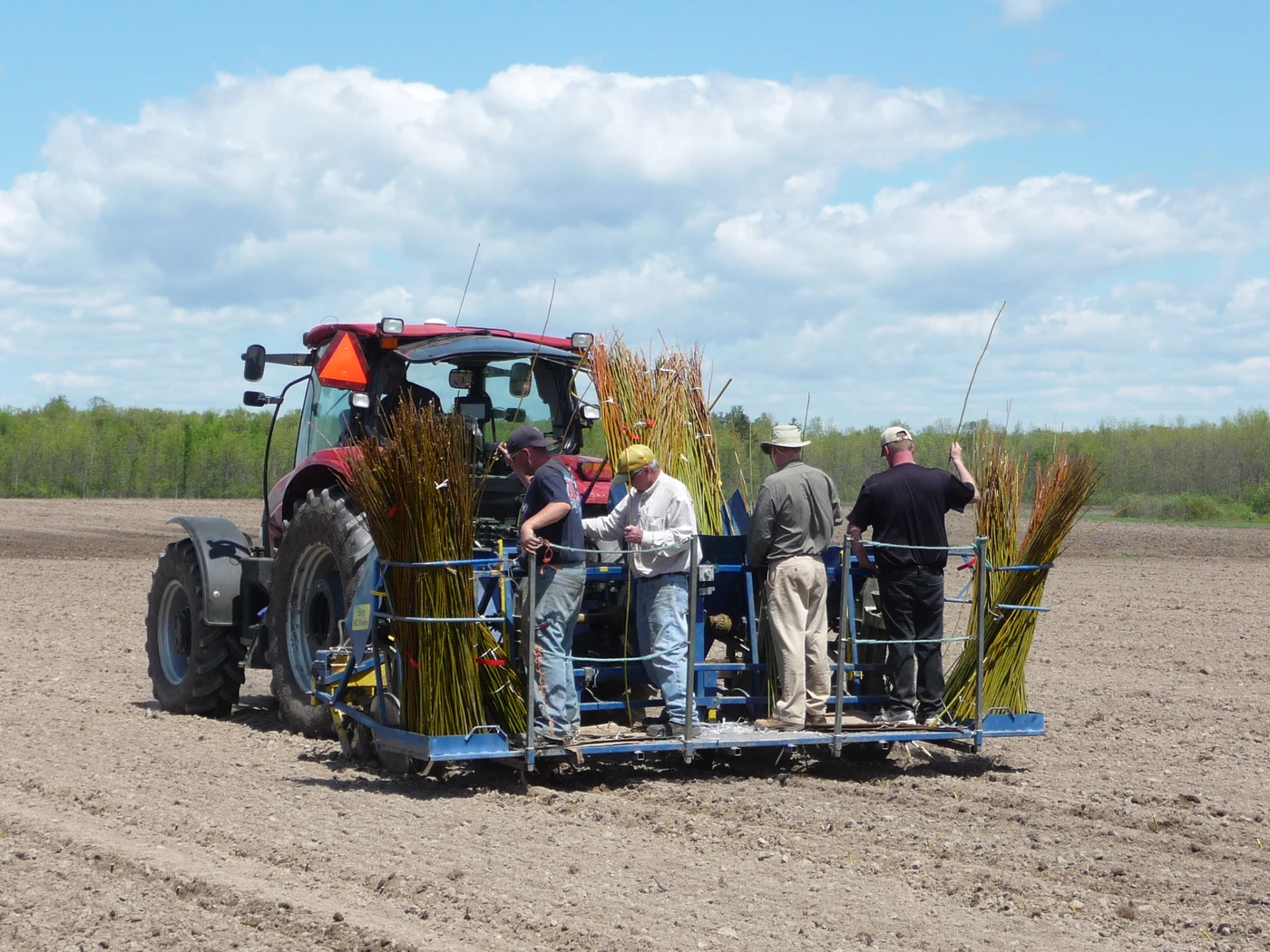
Plant material
Species and cultivar selection, propagation, and stock logistics.
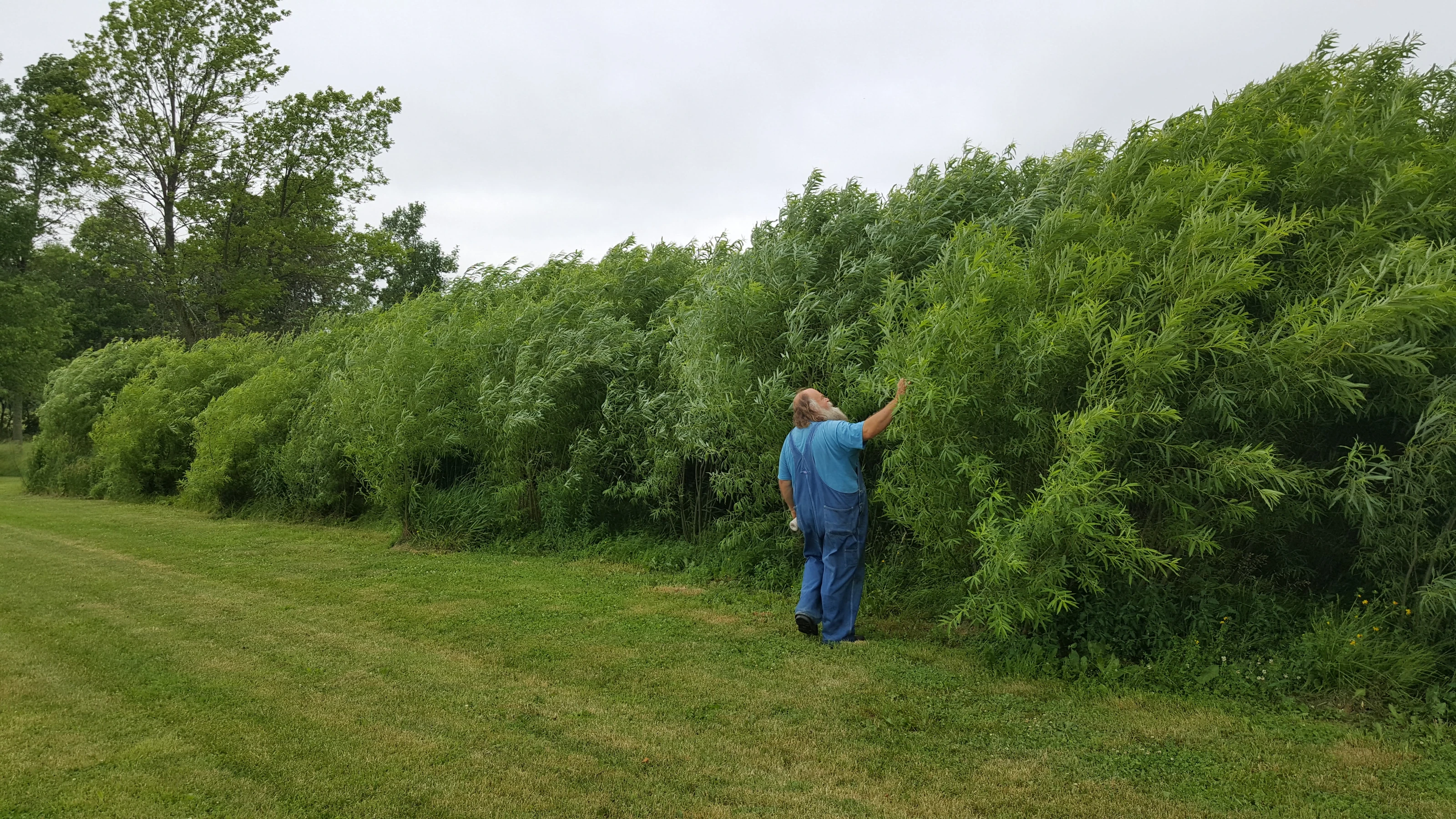
GROUND TRUTH SUSTAINABILITY
FIELD SYSTEMS
Justin Heavey, author of the SUNY ESF willow fact sheet series, leads Salix Systems at Ground Truth Sustainability.
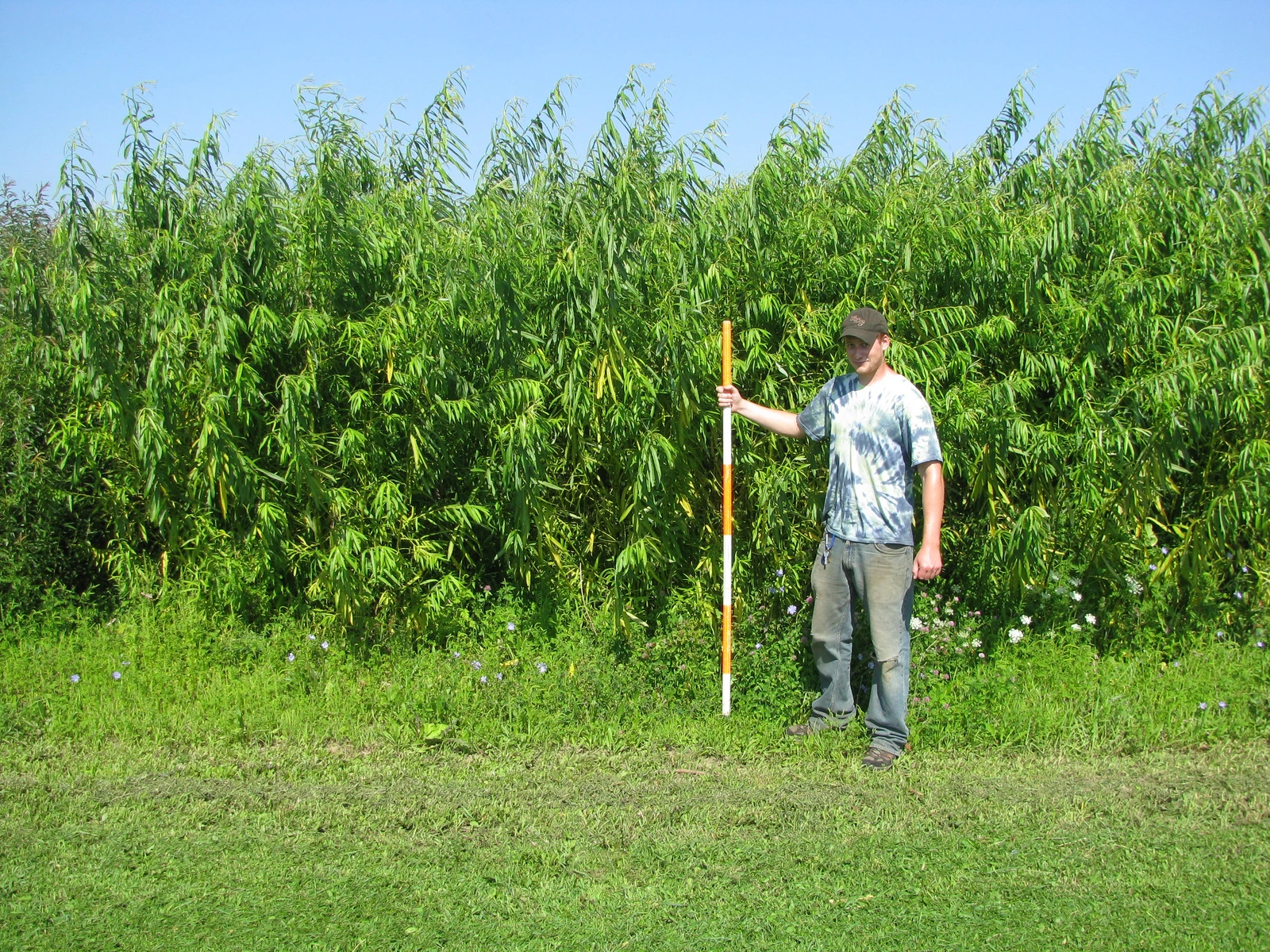
Coppice crops, harvesting, chip quality, and supply chains.
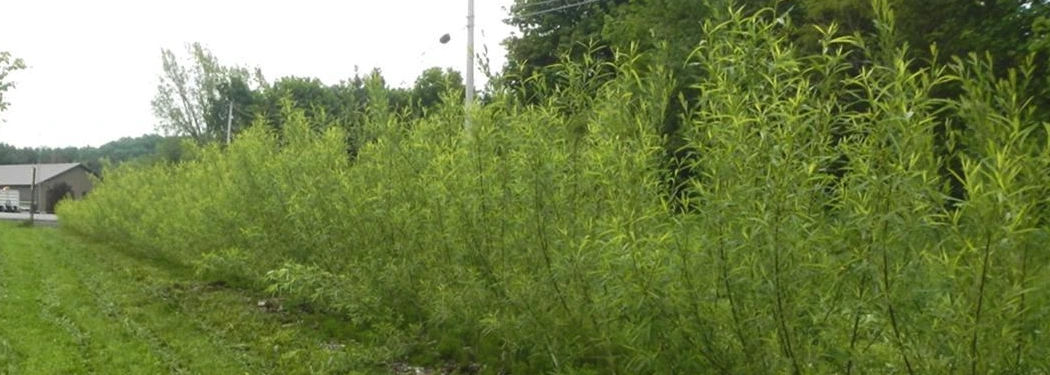
Snow fences, windbreaks, hedges, and landscape screens.
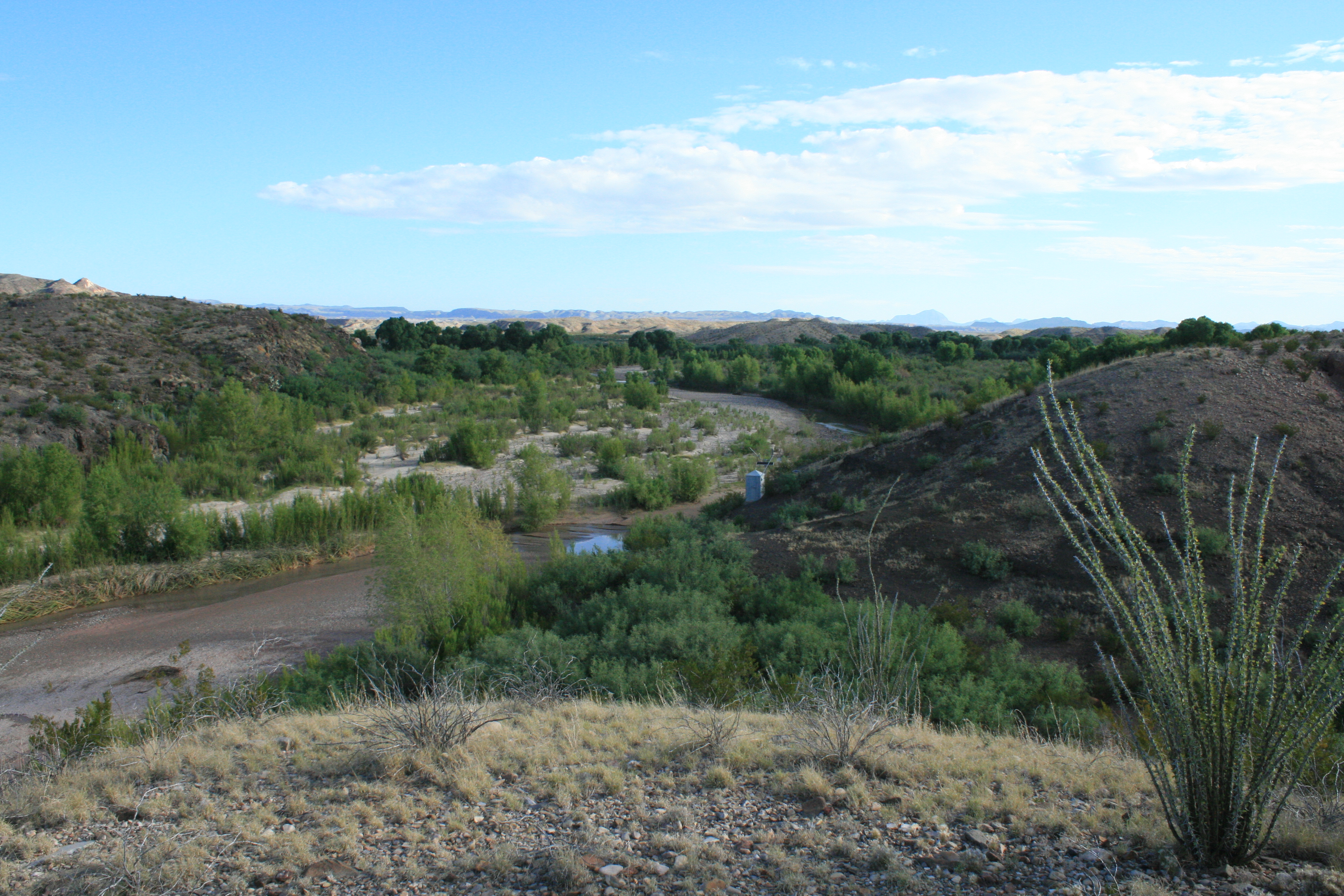
streambank stabilization, industrial site reclamation, ecological engineering
CROP PRODUCTION
Species and cultivar selection, propagation, and stock logistics.
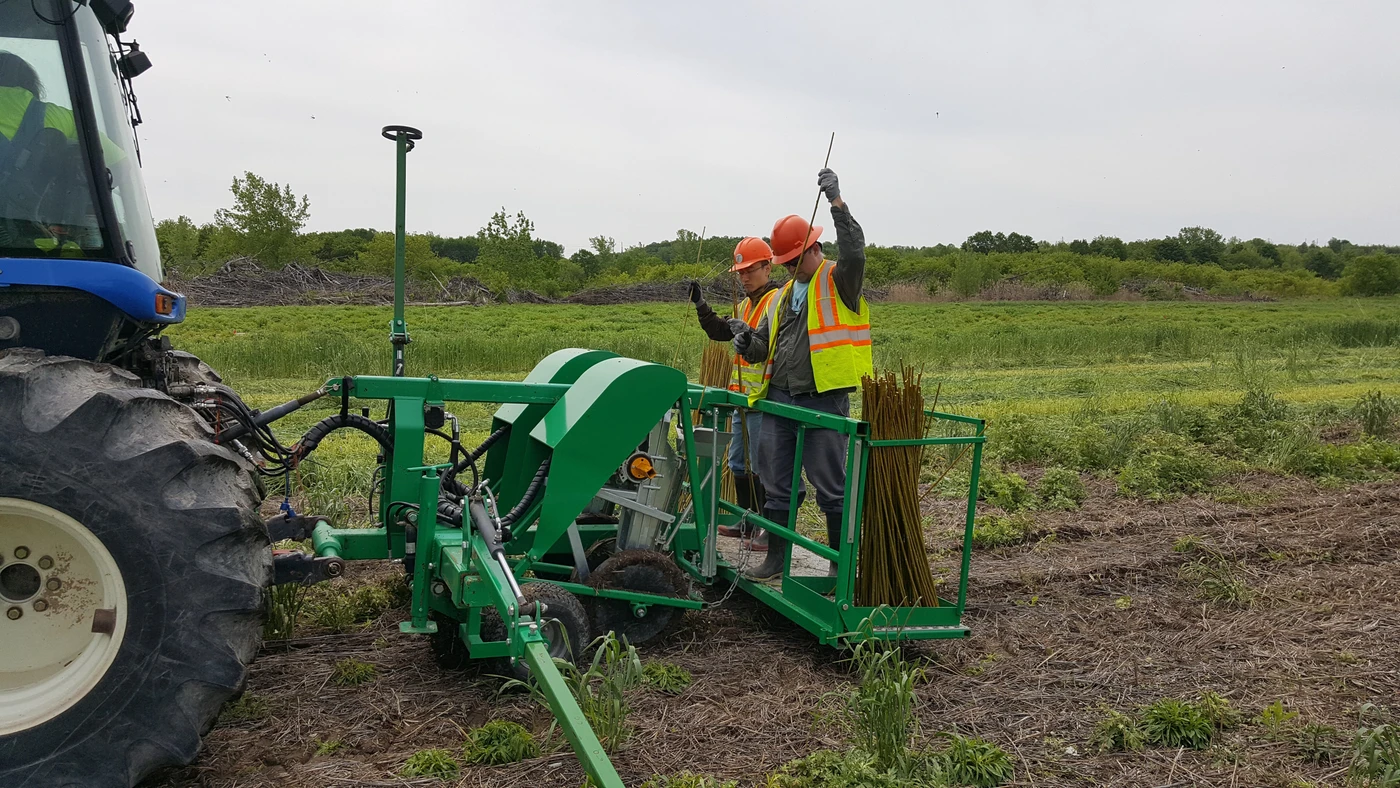
Site assessment, preparation, planting, and maintenance.
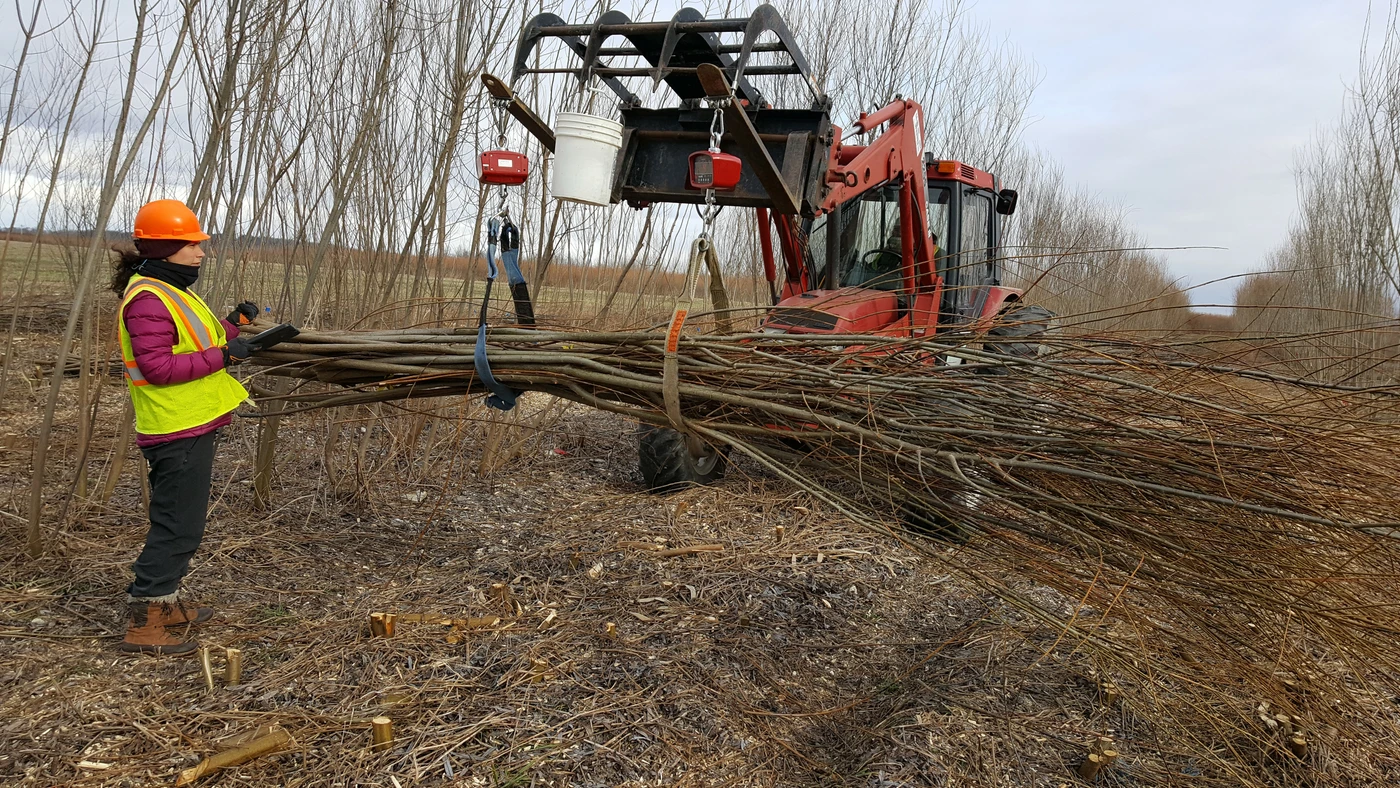
Crop management, harvesting logistics, and feedstock specifications.
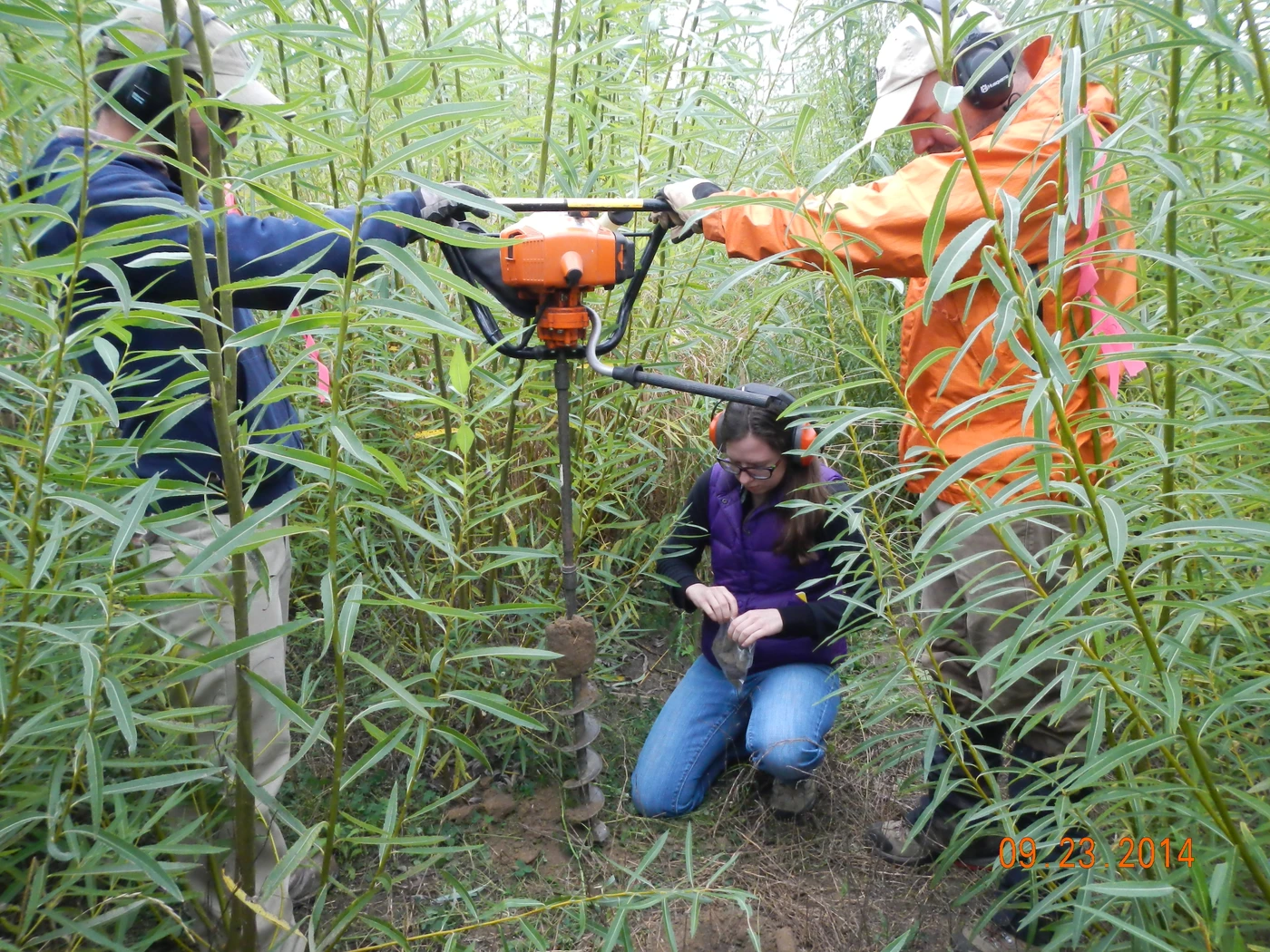
Monitoring, economics, field trials, and applied research.
GTS RESEARCH & PUBLICATIONS
Now in production
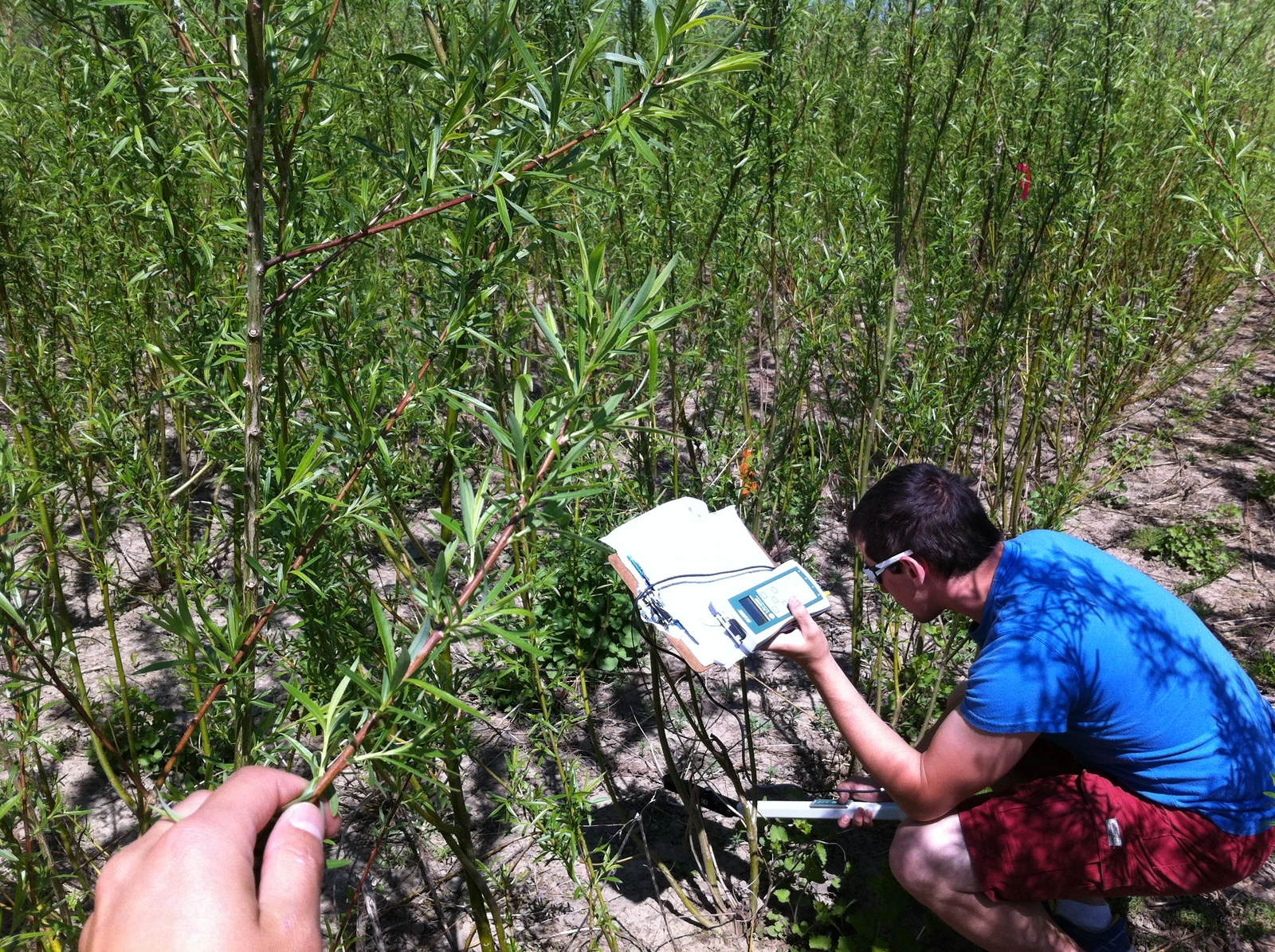
Willow crop production, working landscapes, plant material and bioproducts. A GTS extension series now in production.
Explore the GTS Willow Fact Sheets in Studio ↗Review editions in Studio. Sign-in and permission required.Request a review copy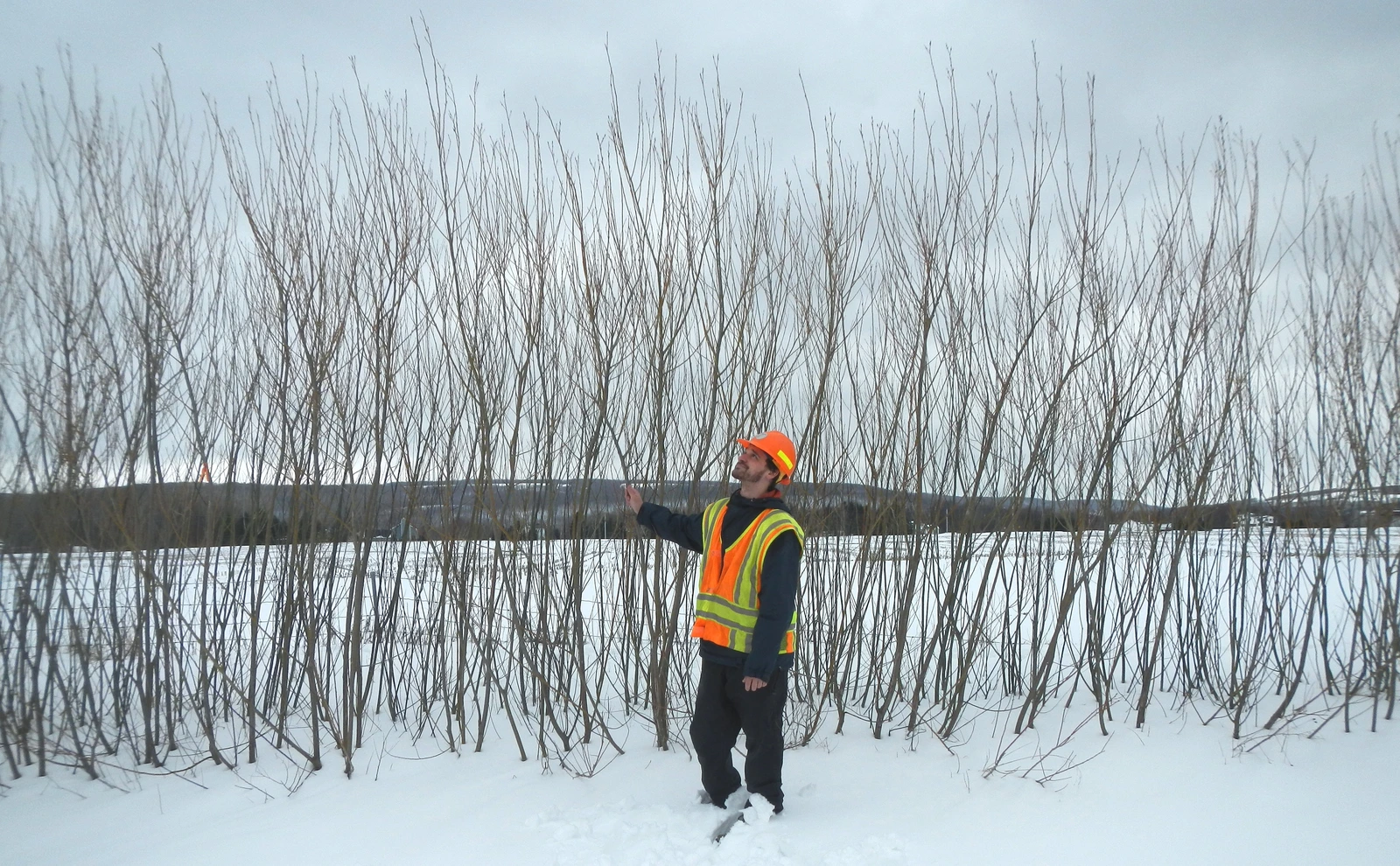
Our LSF-00 through LSF-24 series connects establishment, site assessment, design references and monitoring. Review editions remain in Studio while production continues.
Explore the Living Snow Fence Fact Sheets in Studio ↗Review editions in Studio. Sign-in and permission required.Request a review copyFROM FACT SHEETS TO DESIGN
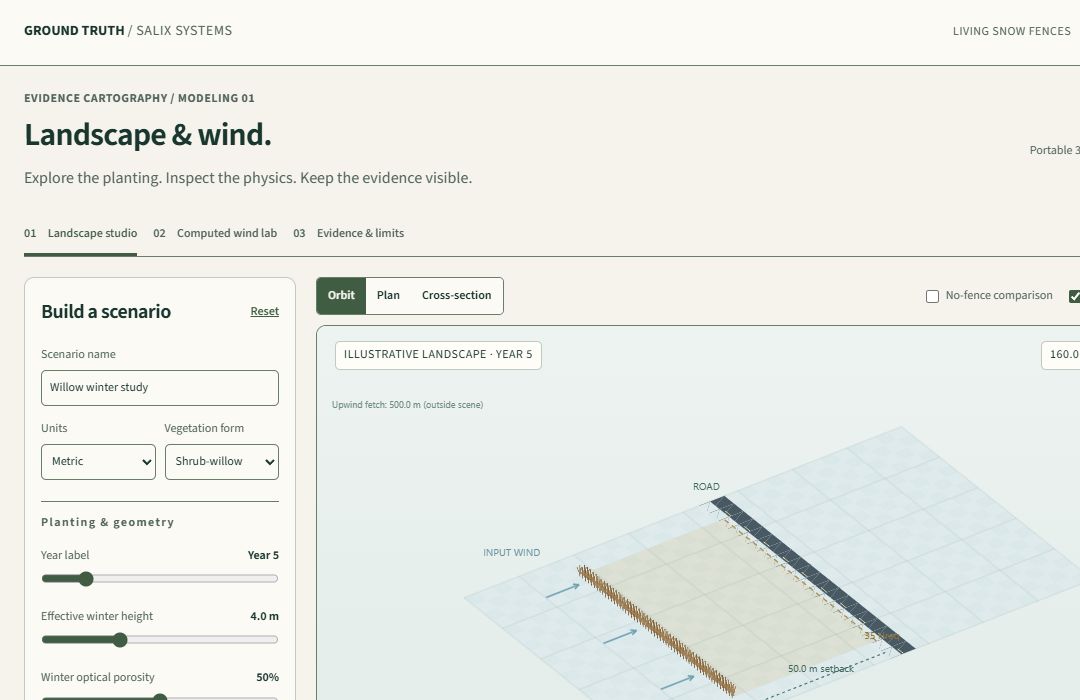
Built around our Living Snow Fence fact sheets: explore site and planting geometry, terrain, rows, setbacks and sourced design references. Move from the fact sheets into an interactive working scenario.
Research and planning support. Site-specific engineering review and field verification remain part of delivery.
Open LSF Design Studio ↗Studio sign-in and permission required.Request a review copyBIOPRODUCTS, TRADITIONAL USES & LIVING ART
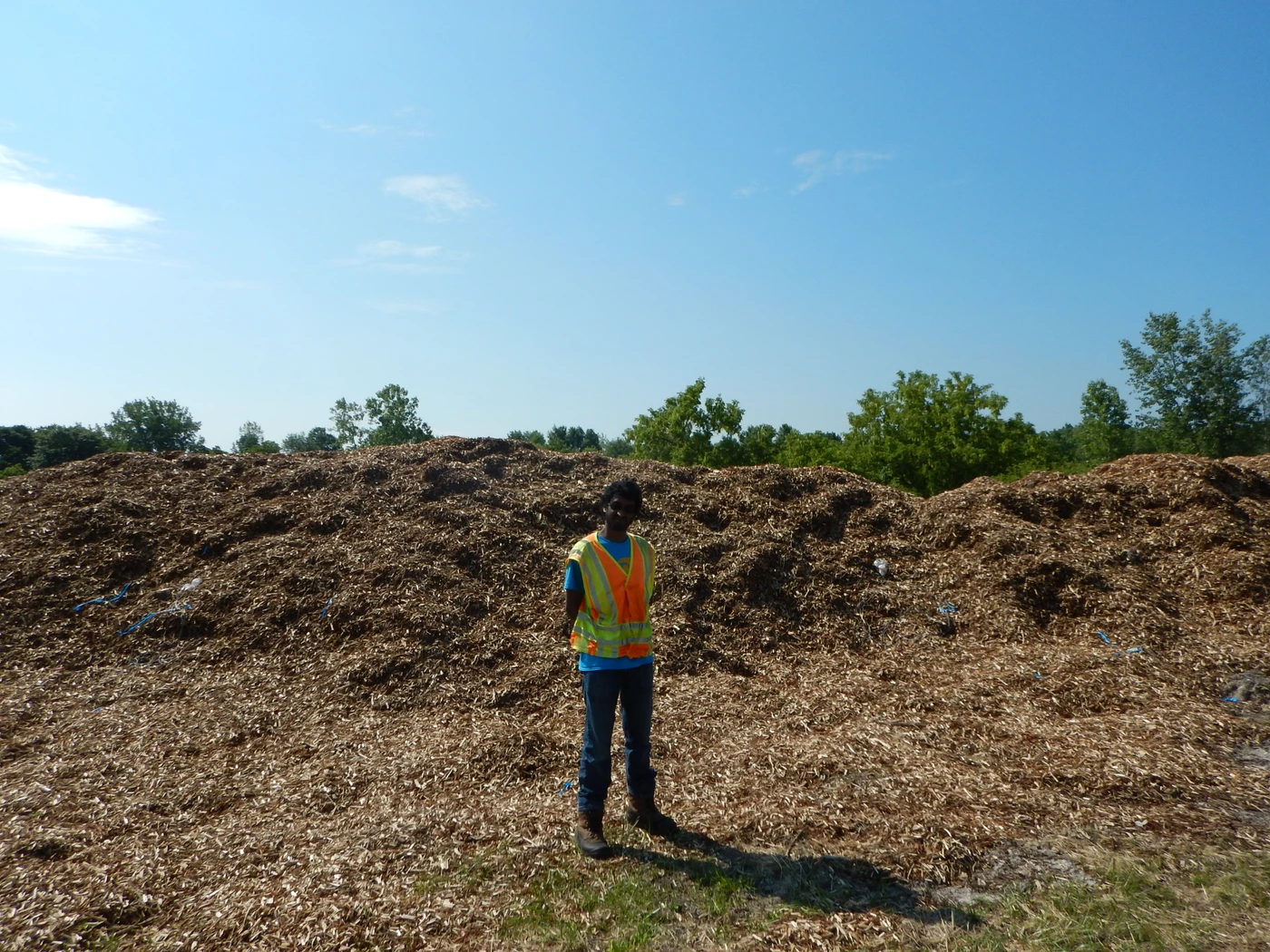
A willow-chip and sawdust product pathway for species-specific growing trials. A published Pleurotus eryngii trial supports investigating willow sawdust, not a blanket result for all species or raw chips. A premium product needs batch specifications and measured growing trials.
Willow sawdust mushroom cultivation study ↗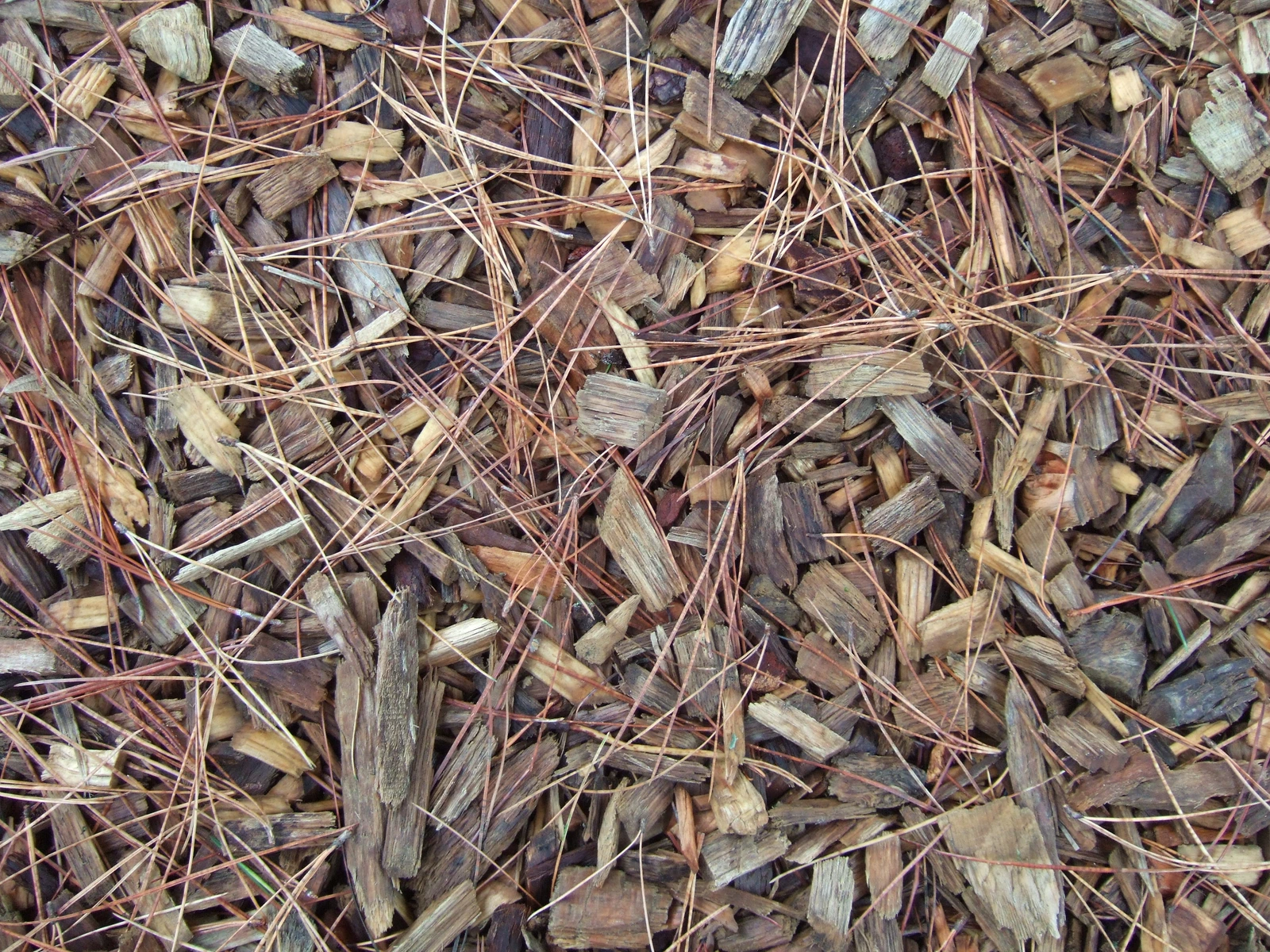
Young woody branches chipped for mulch and soil-system research. A SARE field trial reported early negative crop responses, mixed later effects and very little mushroom fruiting. Material, application method and crop response need site-specific testing.
SARE ramial willow trial ↗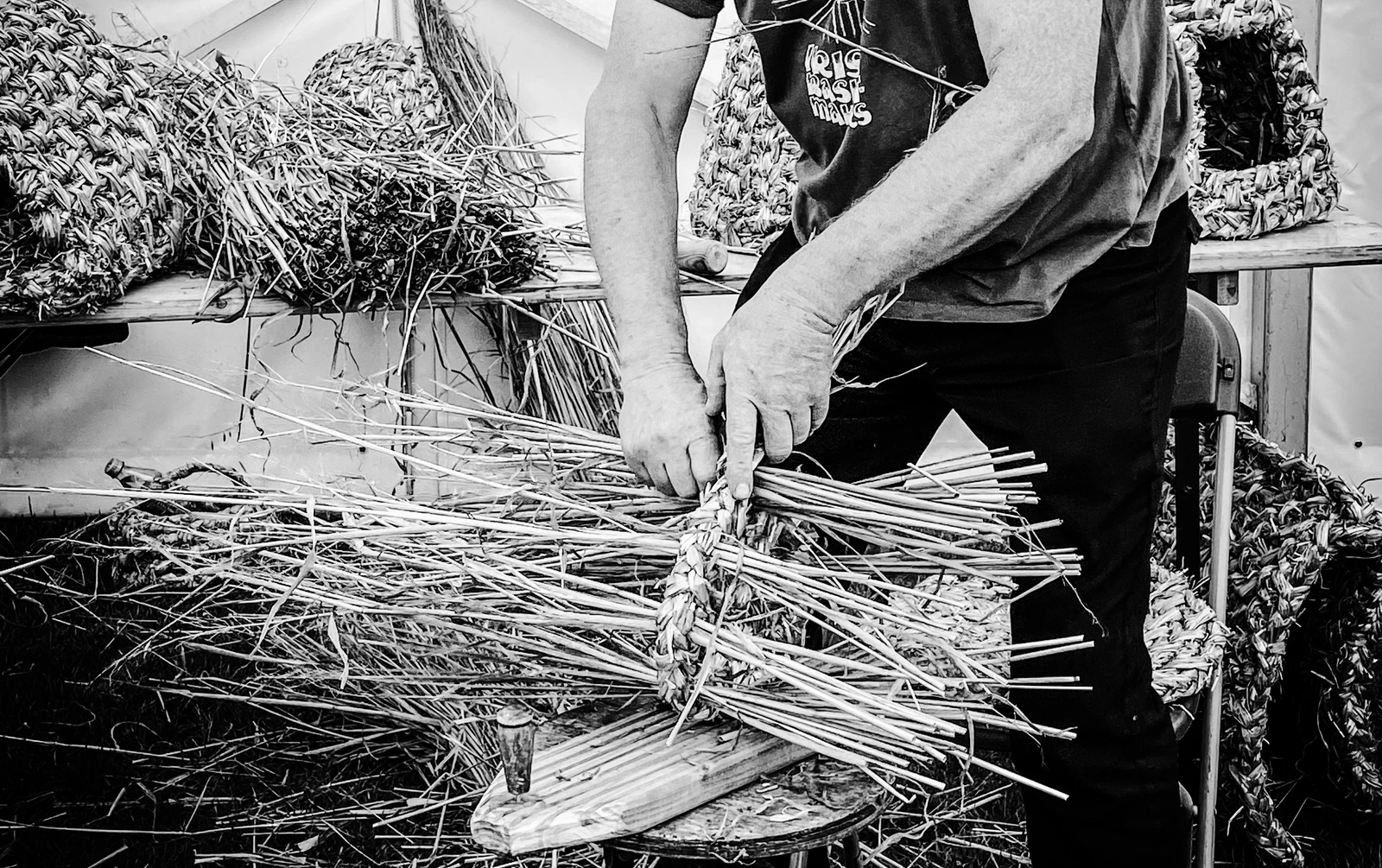
Willow rods for basketry, woven work and craft. Material selection, harvest timing, sorting, preparation and skilled making connect the crop to the finished work.
Kew willow conservation and basketry ↗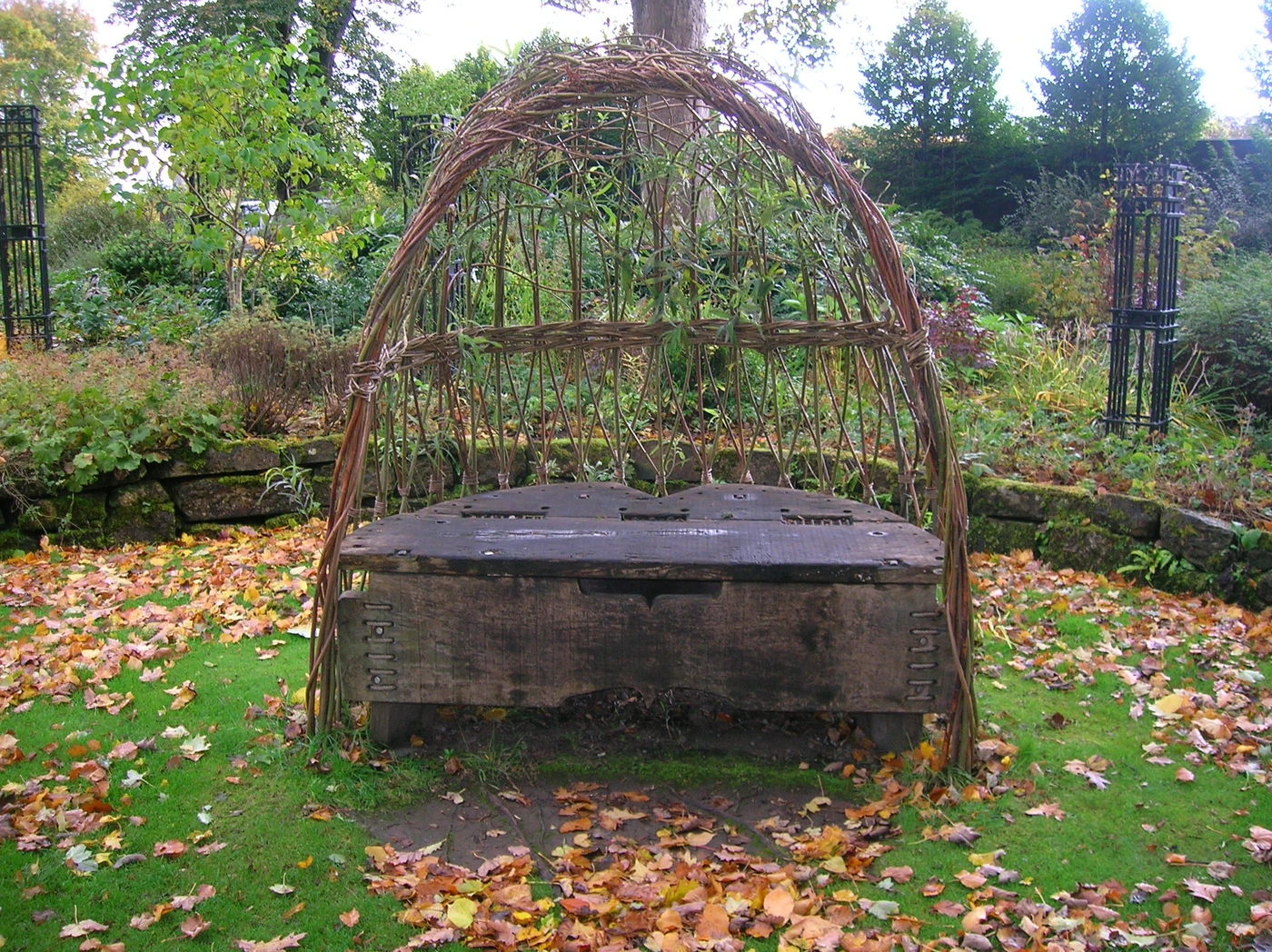
Rooted willow domes, tunnels, screens and sculptural forms. Plan the structure with planting, site suitability, water, growth and ongoing maintenance in mind.
RHS living willow structures ↗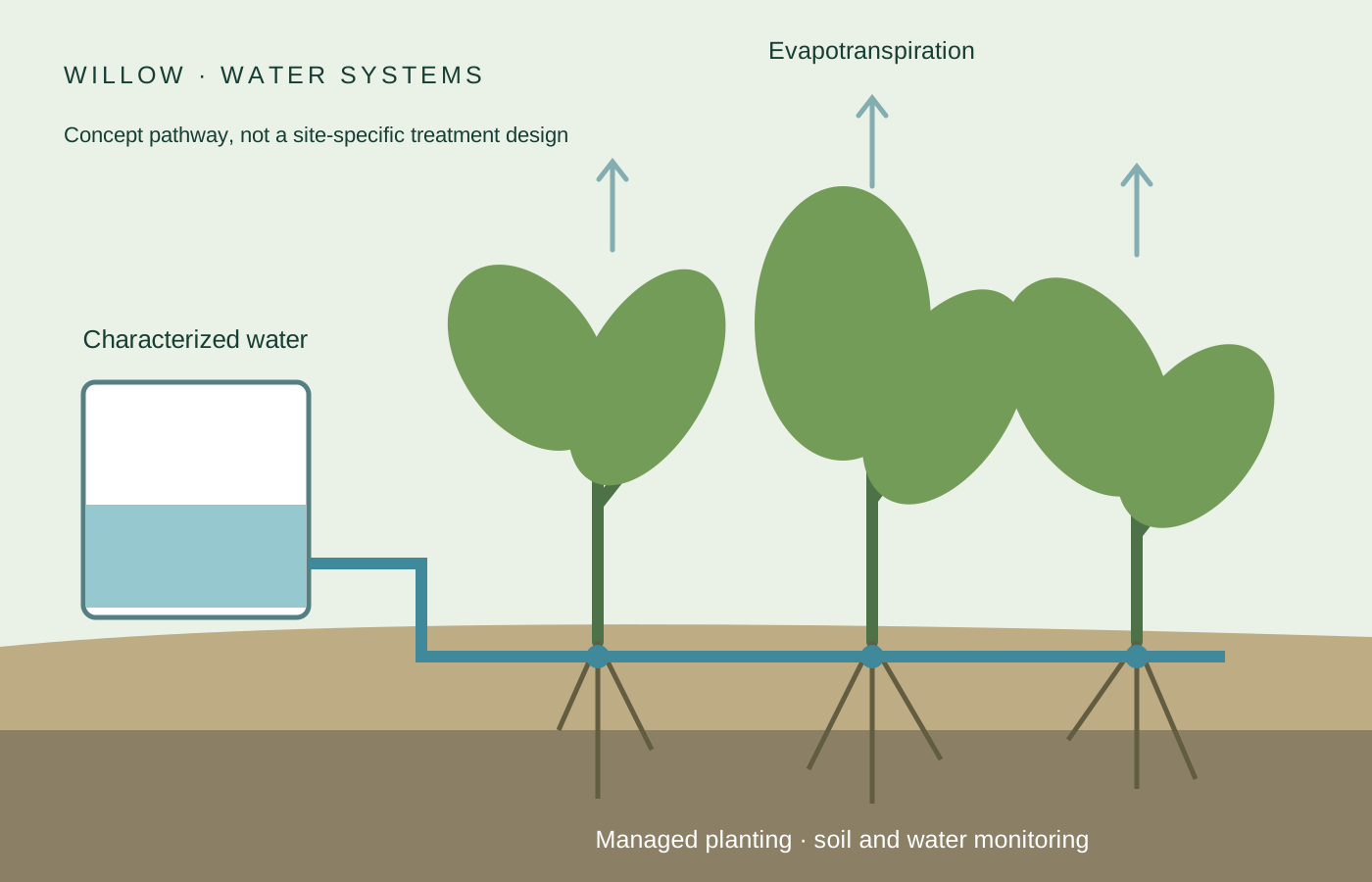
Managed willow plantings for wastewater, effluent and leachate applications. Site assessment connects water chemistry, soil, irrigation, evapotranspiration and monitoring. Treatment performance, permits and professional design are evaluated for each site.
Ramo water-management example ↗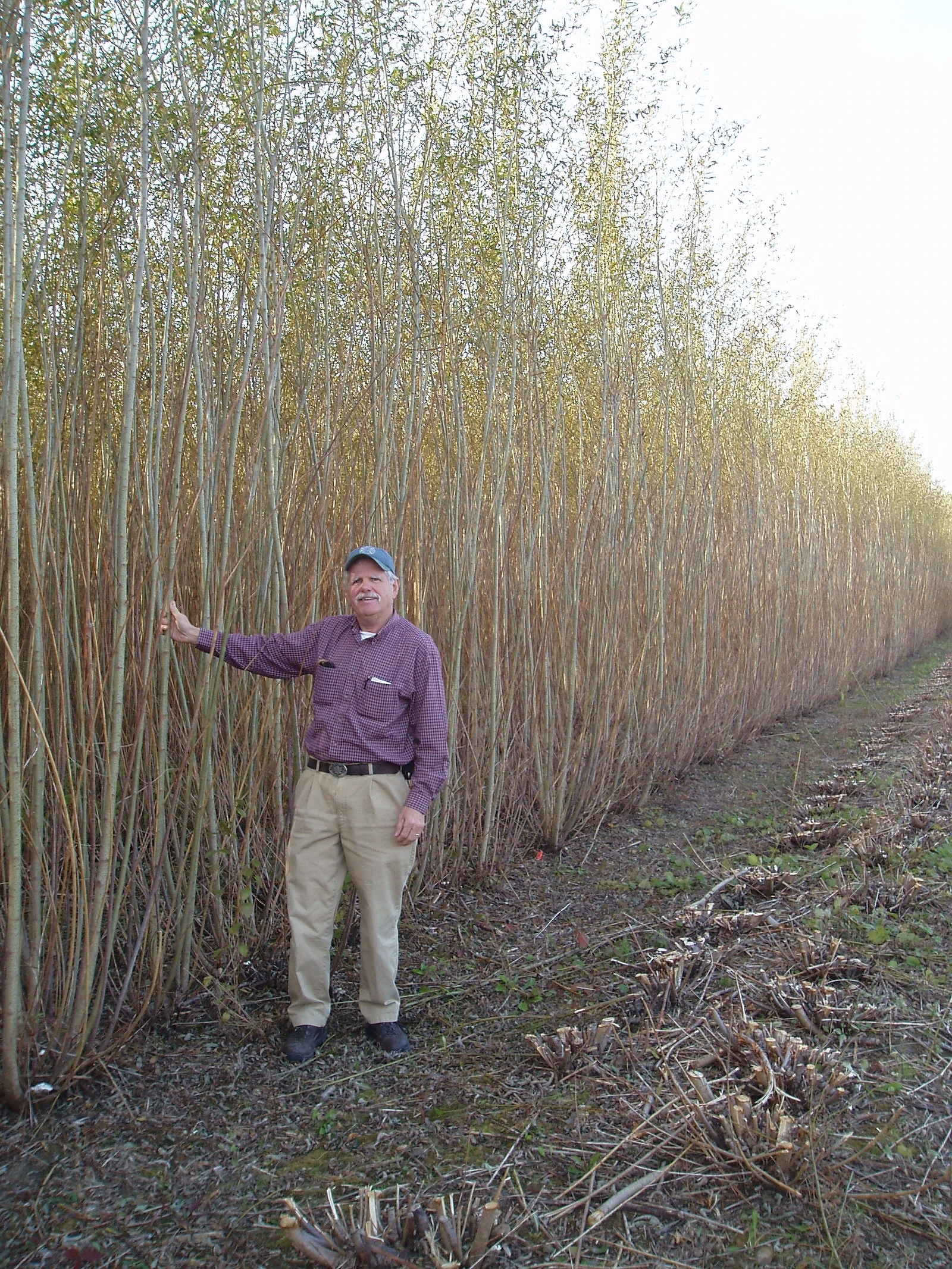
Dense willow plantings for visual screening, wind protection and interception of dust and debris. Plan row spacing, height, establishment and maintenance around the site. Engineered acoustic barriers require a separate, verified design.
Ramo barriers and screens ↗
RESEARCH DATABASES
Search source records, working references and review status in the Salix evidence library.
Explore databases in Studio ↗Authenticated Studio access required.Request a review copyCONSULTING & TECHNICAL DELIVERY
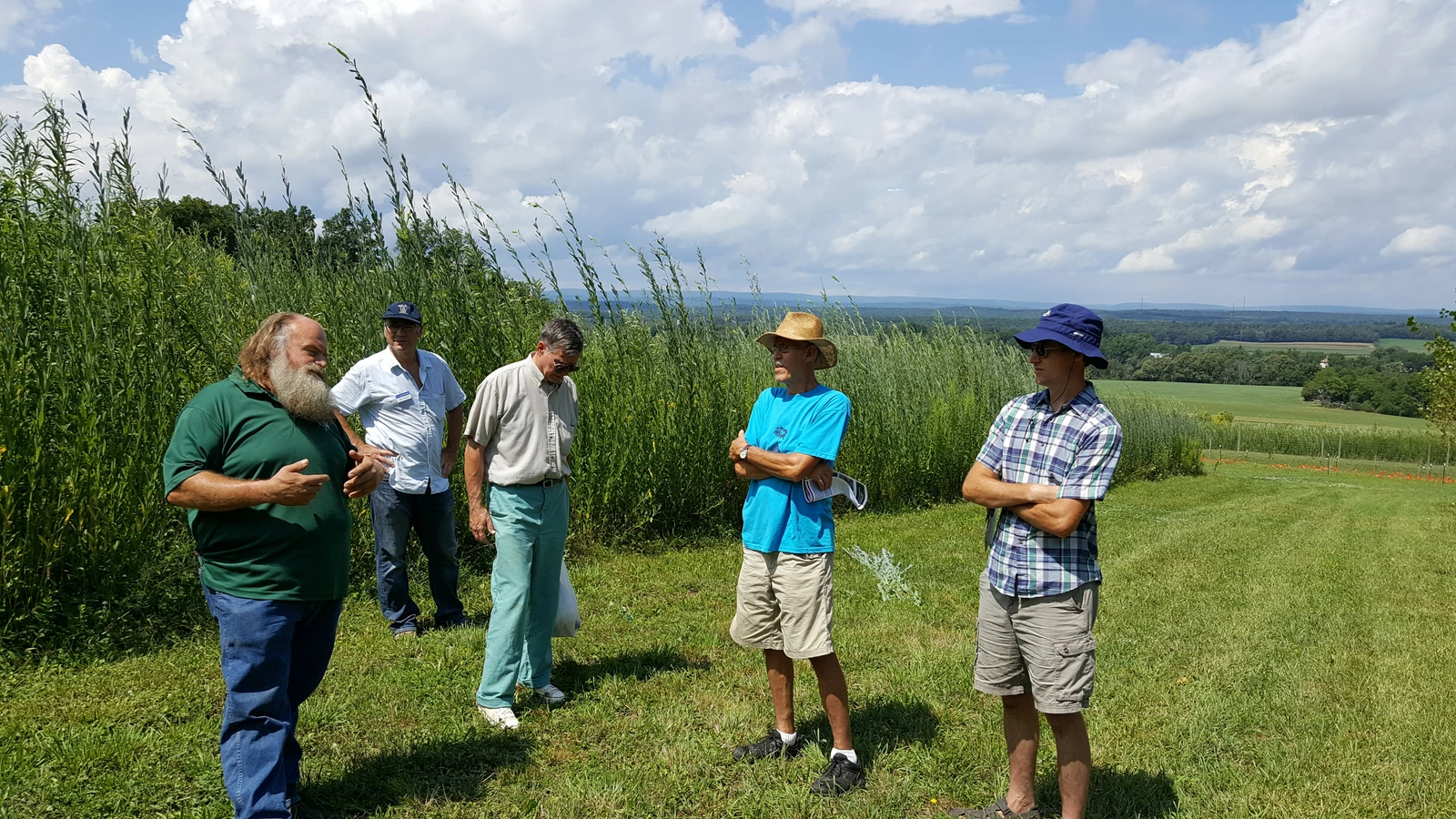
Salix Systems provides integrated planning, plant material, establishment, management, monitoring, analysis, and applied research.
Species and cultivar selection, cuttings, live stakes, stems, fascines, potted stock, propagation planning, bulk orders, and project logistics.
Snow problem assessment, fetch and constraint mapping, preliminary design, plant selection, site preparation, establishment, maintenance, coppicing, monitoring, and benefit-cost analysis.
Riparian buffers, streambank and shoreline stabilization, erosion control, degraded-land revegetation, mine and aggregate site restoration, habitat systems, and reforestation.
Willow-based approaches for wastewater, effluent, leachate, runoff, hydraulic control, evapotranspiration covers, water filtration, and monitored treatment landscapes.
Organic residual and green-waste reuse, site characterization, soil rebuilding, willow-derived amendments, revegetation substrates, application planning, and monitoring.
Short-rotation willow systems, crop establishment and management, harvesting and logistics, feedstock quality and supply analysis, wood chips, mulch, and biomaterial pathways.
Living hedges, visual screens, wind and dust barriers, privacy systems, planted facades, acoustic barrier planning, and contractor-ready coordination.
Site suitability, economics, lifecycle and greenhouse-gas analysis, yield forecasting, field trials, remote sensing, monitoring plans, workshops, demonstrations, and technical transfer.
Project programs for municipalities, transportation agencies, agriculture, industry, mines, landfills, utilities, landowners, and community partners.
Scope, jurisdiction, permits, professional sign-off, stock rights, equipment, partners, performance criteria, and monitoring are confirmed for each engagement. Environmental, snow-control, treatment, yield, carbon, acoustic, and financial outcomes are never guaranteed without a site-specific basis and verification plan.
Contact
Willow research, planning and practical implementation. Get in touch to discuss your priorities and scope.